Keeping Drinking Water Out of the Runoff Cycle
“Thanks to animal agriculture, our water contains an abundance of nutrients, pesticides, antibiotics, nitrates, and arsenic.” – Lisa Kemmerer
Overview
Nitrate is a common groundwater contaminant that originates from agricultural runoff, fertilizers, wastewater, and septic systems. While low levels occur naturally, elevated concentrations can pose serious health risks, most notably methemoglobinemia (“blue baby syndrome”), which impairs the blood’s ability to carry oxygen, particularly in infants. Because nitrate is colorless, odorless, and highly soluble, it can move easily through soil into drinking water supplies, making testing and treatment essential to maintain safe, compliant water quality.
Pureflow Treatment Technologies
Ion Exchange
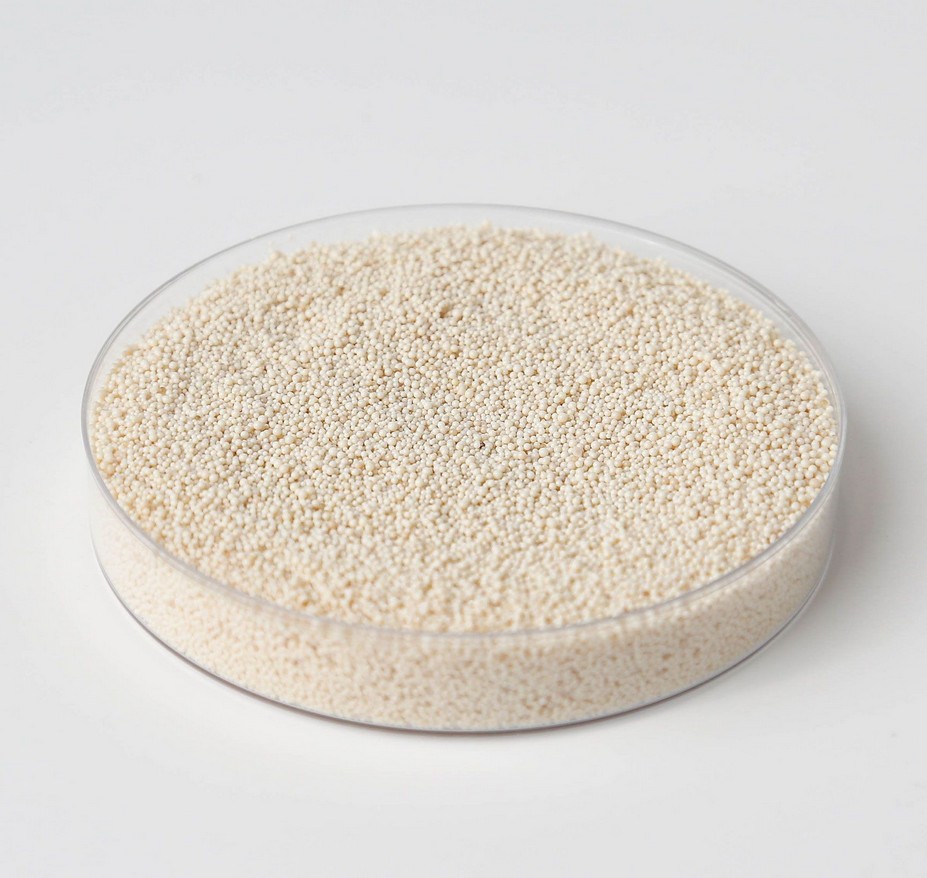
Ion exchange removes nitrate by passing water through a strong-base anion resin that selectively captures nitrate ions (NO₃⁻) and exchanges them for harmless ions, typically chloride (Cl⁻). As the resin becomes saturated with nitrate, it is regenerated using a brine solution, restoring its capacity for continued removal.
Biological Filtration
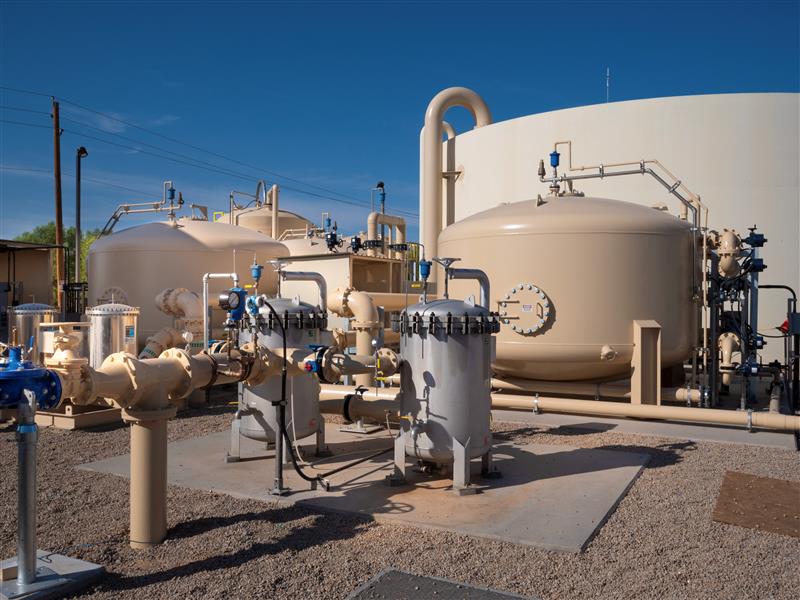
Biological filtration removes nitrate through denitrification, where naturally occurring bacteria convert nitrate (NO₃⁻) into harmless nitrogen gas (N₂). In low-oxygen (anoxic) zones within the filter, these microorganisms use nitrate as an oxygen source, reducing it stepwise until it becomes nitrogen gas that escapes from the water.