Chemical Conversion Meets Physical Removal
Arsenic’s evil reputation is manifested in its old alchemy symbol: a coiled serpent ready to strike. “I am an evil, poisonous smoke…but when from poison I am freed, Through art and sleight of hand, then can I cure both man and beast From dire disease oft times direct them; but prepare me correctly, and take great care That you faithfully keep watch over me; For else I am poison, and poison remain that pierces the heart of many a one”. – Valentini 1694

Overview
Arsenic is a naturally occurring contaminant in groundwater that poses significant long‑term health risks. While low‑level exposure has no proven biological benefit, elevated concentrations can cause toxicity affecting the skin, liver, and nervous system, and are linked to increased cancer risk with prolonged ingestion.Due to these health concerns, arsenic is tightly regulated. The U.S. Environmental Protection Agency (USEPA) established a maximum contaminant level (MCL) of 10 µg/L (0.010 mg/L) for drinking water to protect public health.
Pureflow Treatment Process
Coagulation Filtration
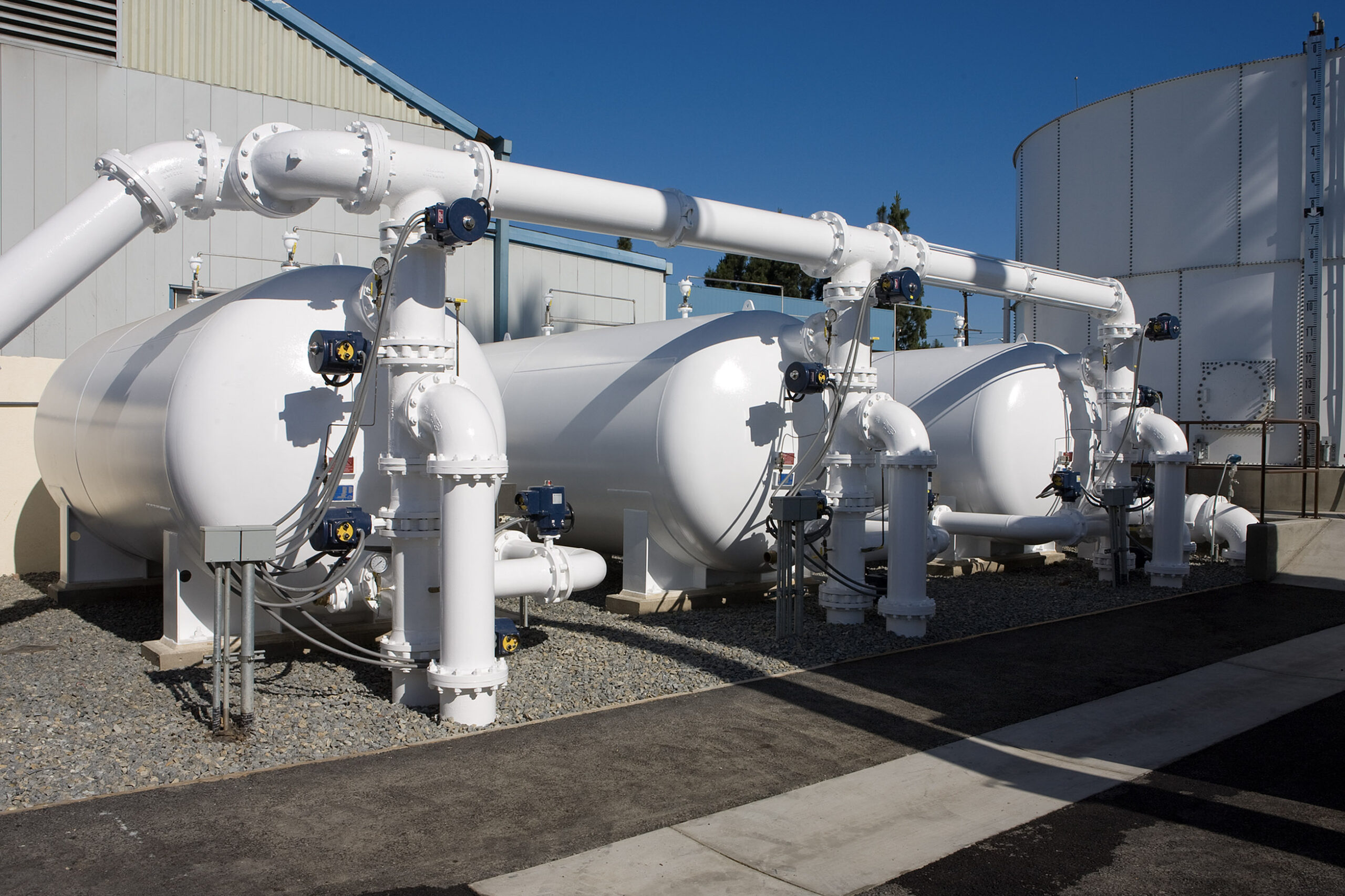
Pureflow’s arsenic filtration system combines highly adsorptive NSF-approved media with chemical pretreatment to deliver a simple, compact solution with minimal operator attention. Arsenic is removed by adsorption onto an iron precipitate formed during pretreatment and captured in a multi-media filter.Raw water is treated with chlorine, and ferric iron is added if needed to form the adsorption mechanism. The filter media is periodically backwashed using treated water, with less than 5% backwash consumption.
The system does not require regenerating chemicals and can optionally reclaim up to 99% of backwash water. Chemical dosing is automatically controlled using continuous residual monitoring for reliable, low-maintenance operation. A field pilot testing program is available to ensure the proper design and operation of every system.
Disposable Media
A Bayoxide® E33 system is a fixed-bed adsorption process where water flows through pressure vessels filled with granular iron oxide media. As the water passes through the bed, dissolved arsenic binds to the media surface and is removed from solution. The system typically operates as a simple “pump-and-treat” setup with continuous flow. No regeneration or chemical handling is required—the media is left in place until exhausted and then replaced.